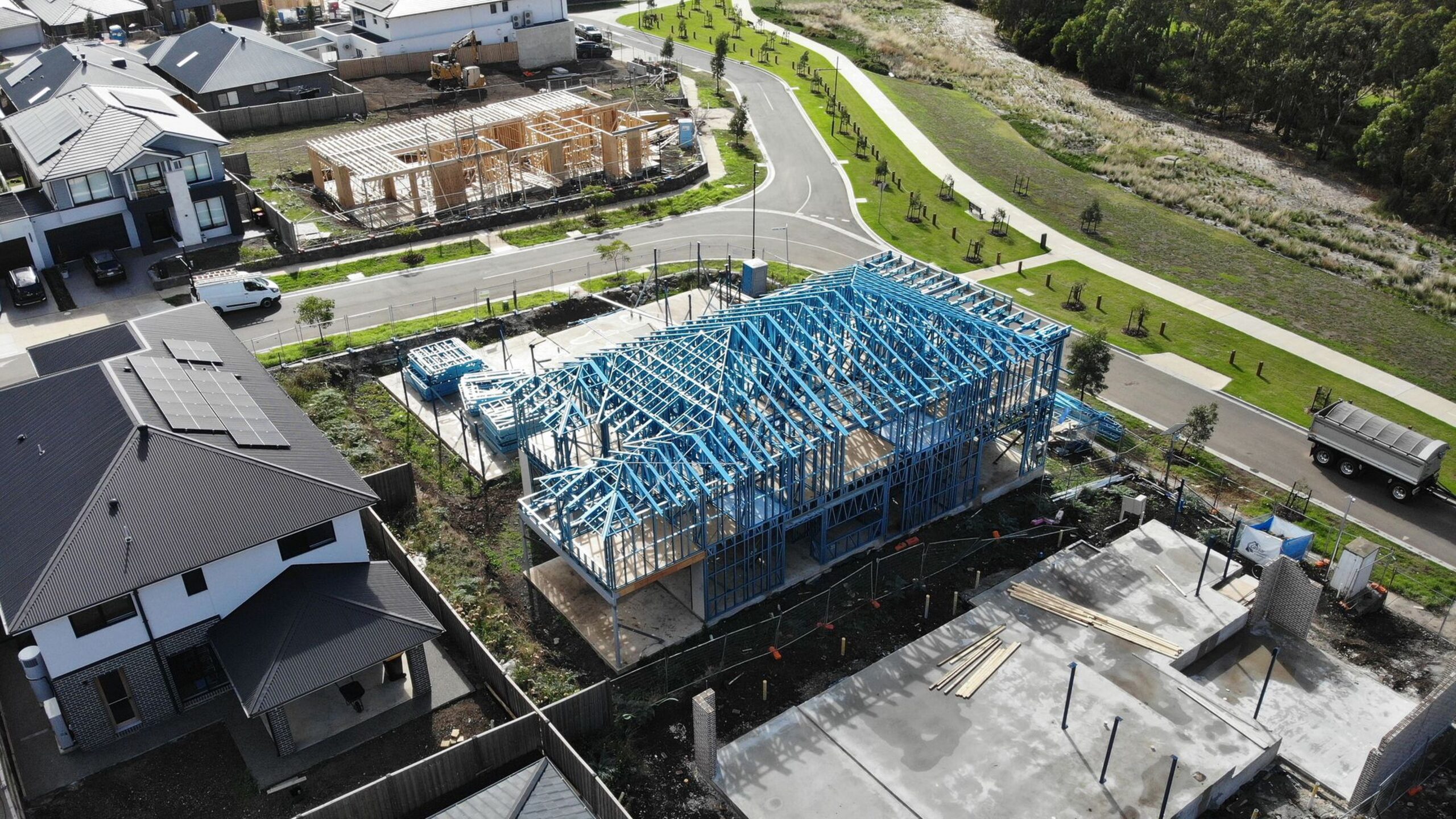
A construction loan is where you as the client in most cases will buy vacant land and enter into a contract with a builder, to build your home or investment property. In this Blog we’ll go over what that looks like and some common questions around building and dealing with the banks.
There are generally 3 types on construction loans or contracts.
When entering a contract with a builder, they will break the construction up into stages of the build. When a stage is complete, they will then invoice payment for that stage and once received, will then complete the next stage and so on until the build is complete.
The stages are broken down into percentages and there are industry averages depending on what state you’re in. The below is what a standard contract would look like but yours may be differ.
Deposit 5%, Slab/Base 15%, Frame 20%, Lock up 20%, Fixing 30%, completion 10%
The bank will make payments directly to the builder based on the invoice that aligns with the contract signed. You will receive the invoice from the builder first and supply it to the bank. The bank will check the details are correct and either issue an inspection or make the payment. (unless doing an owner builder loan which we’ll discuss below)
Generally, the lender will organise a Valuation before approving the build and then a final inspection before the last payment is made, sometimes lenders can request additional inspections at every stage of the build to make sure its progressing correctly.
Repayments are completed as interest only whilst the home is being built. During the build you do not pay interest on the full loan from day 1. If your loan is $500k and only $100k has been paid to the builder so far, then that’s the interest you’re charged on, meaning throughout the build the interest only repayment will increase each time a drawdown is paid to the builder. Once the build is then complete you would then switch to Principle & interest repayments.
Standard documents for a normal loan would all be required, but on top of that for the construction, you would usually supply a Build contract & Draft Plans and Specs. Then after the loan is formally approved but before the first payment is made to the builder those plans and specs would then become council approved and supplied to the bank to be ready to build.
The most common path for variations or additional costs during the build is the lender will expect you to cover them, if you would like to borrow additional funds then a full application will be required to be completed again.
Everyone is different and there are different schemes and help depending on which path you take, if you wanted to know more read our discussion here Should First Home Buyers Build or Buy in Tasmania in 2026?
Whilst it is possible, it is heavily restricted now in lending and only offered by a few select lenders, the loan to value ratio is also usually capped quite lower around 60% meaning you’d need a 40% deposit plus costs. The bank will also have additional requirements such as the borrower having extensive knowledge in the build process as well as other extra requirements.
If so reach out to our team today and we can go over the full process and breakdown whether its right for you – book here Contact Fortify Loans Hobart, Tasmania